
Coronary artery disease self-care involves eating the right foods, moving your body, and getting an adequate amount of rest. It's also important to manage your stress levels and take your medications as instructed.
According to the World Health Organization, cardiovascular diseases take an estimated 17.9 million lives per year. Treating and monitoring these diseases is essential for seniors who want to live long, healthy lives. The city of Freehold, NJ, offers plenty of opportunities to stay active, including various hiking trails and community gardening clubs.
Here are some cardiac wellness tips for seniors to follow.
Understanding Coronary Artery Disease in Seniors
Coronary artery disease (CAD) develops when fatty deposits, cholesterol, and inflammation narrow the coronary arteries. Symptoms may include chest discomfort, shortness of breath, and fatigue. These are often mistaken for normal side effects of aging.
Causes and risk factors include:
- Eating specific foods with saturated fats and trans fats
- Obesity and physical inactivity
- Smoking
- Alcohol
- Drug use
- Chronic stress
Because aging changes show the body responds to stress and illness, aging and self-care for senior heart health require a thoughtful approach.
Coronary Artery Disease Self-Care for Senior Heart Health
A sustainable lifestyle for treating heart disease is built around healthy habits in senior living. Seniors benefit from habits that are gentle, repeatable, and realistic.
Heart-Smart Nutrition
Eating for heart health does not require extreme dieting. Seniors with CAD should prioritize:
- Vegetables and fruits
- Whole grains and legumes
- Healthy fats from olive oil and nuts
- Lean protein sources and moderate portion sizes
- Limiting excess sodium, refined sugars, and trans fats
Regular meals help stabilize energy levels and prevent blood sugar spikes that can strain the heart.
Consistent Physical Movement
An active lifestyle for heart disease treatment can improve circulation, lower blood pressure, and strengthen the heart muscle. Walking, water aerobics, and light resistance exercises are all effective options. Even indoor walking workouts can contribute to cardiac wellness.
Sleep and Rest
Quality sleep supports heart rhythm, blood pressure regulation, and stress hormones. Seniors should aim for a regular sleep schedule and a comfortable sleep environment. A medical evaluation for sleep apnea can help with symptoms such as loud snoring or daytime fatigue.
One way to encourage good sleep is through physical activity. Naturally tiring out your body prepares it for nighttime, which is essential for seniors who aren't otherwise very active.
Managing Stress and Emotional Well-Being
Chronic stress puts real strain on the cardiovascular system. For seniors, emotional health is deeply connected to physical heart health. Even in the more festive winter months, it's important to manage things like seasonal affective disorder.
You can manage your stress by:
- Practicing deep breathing or mindfulness
- Staying socially connected with friends or community groups
- Engaging in hobbies that bring relaxation and purpose
- Seeking counseling or support groups when anxiety or depression arises
- Getting plenty of sun and fresh air
Medication Adherence and Monitoring
Self-care includes taking medications exactly as prescribed. Common CAD medications help control factors like cholesterol, blood pressure, and clot risk. Skipping doses or stopping medication without guidance can increase the risk of a heart attack or stroke.
Seniors should:
- Use pill organizers or reminder systems
- Monitor blood pressure and heart rate at home
- Keep a list of medications for all medical visits
Staying involved in care decisions empowers seniors and improves outcomes.
What Activities Should You Avoid With Coronary Heart Disease?
While staying active is important, certain activities pose risks for seniors with coronary artery disease.
Activities to approach with caution or to avoid altogether include:
- Heavy lifting or sudden, intense exertion
- Exercising in extreme heat or cold
- Competitive activities that encourage overexertion
- Ignoring chest pain or shortness of breath
Seniors should avoid "pushing through" discomfort. Any activity that causes chest pressure, unusual fatigue, or lightheadedness should be stopped immediately.
Can You Get Rid of Plaque Buildup in Arteries?
Plaque buildup in arteries cannot usually be completely removed without medical intervention, but you can stabilize and slow it. In some cases, you can slightly reduce the buildup.
Healthy lifestyle changes play a major role in lowering bad cholesterol, reducing inflammation, and preventing plaque rupture.
Medications such as statins are often prescribed to help control cholesterol and reduce plaque progression. Combine these with healthy eating, physical activity, and stress management for the best results.
Frequently Asked Questions
How Often Should Seniors With Coronary Artery Disease See Their Doctor?
Most seniors with CAD should have regular checkups at least once or twice a year. You may consider going more frequently if symptoms change or worsen.
Routine visits help adjust medications, monitor risk factors, and address concerns early.
Can Coronary Artery Disease Symptoms Feel Different in Seniors?
Absolutely. Seniors may experience atypical symptoms such as fatigue, nausea, or confusion rather than classic chest pain. Any unusual or persistent symptom should be evaluated.
Is It Too Late to Make Changes After Diagnosis?
No. Even later in life, positive changes can reduce complications, improve quality of life, and extend independence. Self-care efforts matter at every age
Keep in mind that you may not see immediate results, depending on your condition. However, medications can help you feel healthier and support you in your wellness journey.
How Can Seniors Monitor Their Heart Health At Home?
Yes. Home blood pressure monitoring, symptom tracking, and medication awareness are valuable self-care tools that help seniors stay engaged in their health. Keep in mind that these tools do not replace the expertise and equipment you can only find in your physician's office.
Prioritize Your Heart Health Today
Heart disease does not mean giving up independence or quality of life. With consistent coronary artery disease self-care, seniors can protect their hearts, reduce complications, and continue enjoying daily activities. Older adults can build a sustainable lifestyle that supports both longevity and well-being.
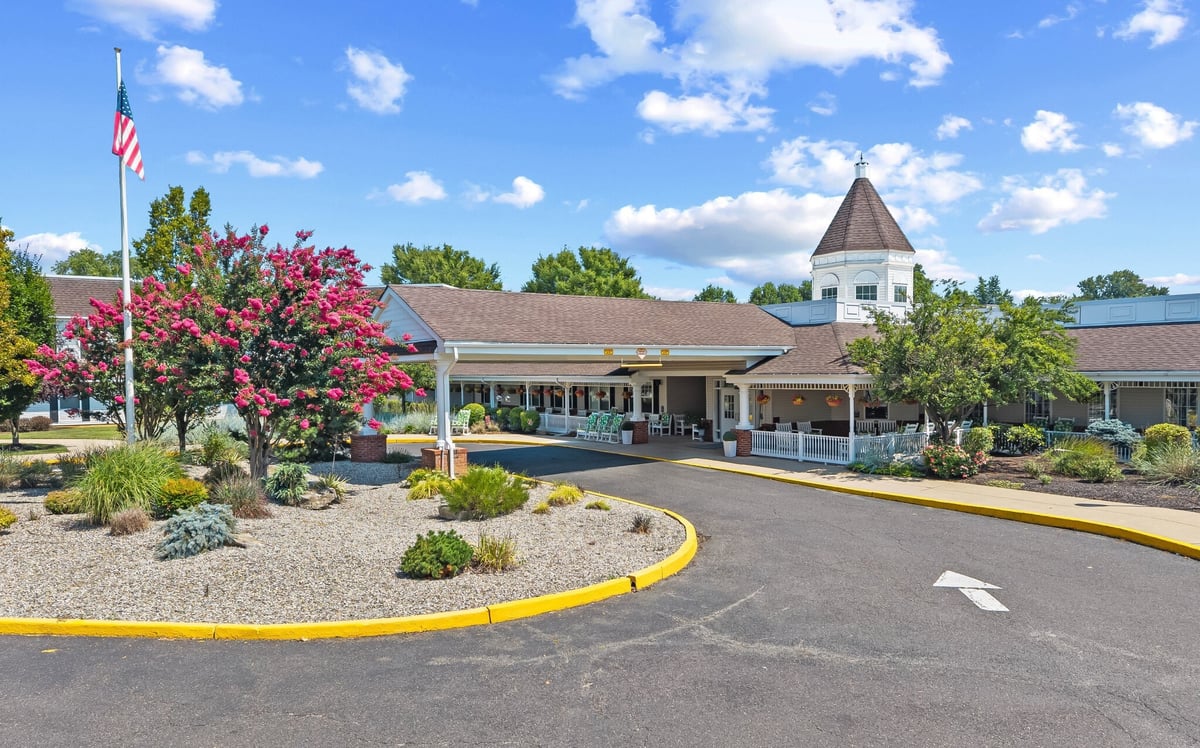
Mattison Crossing is a senior living community in Freehold, NJ, that offers both assisted living and memory care services. Community amenities include a local synagogue, a performing arts theater, and a cafe and pizza parlor. Contact us with any questions and to set up a tour of the neighborhood.