Summary
Creating dementia-friendly home modifications can make everyday life calmer and safer for someone you love. A few thoughtful adjustments ease confusion, lower accident risk, and help your loved one feel comfortable in familiar surroundings.
- Install stove knob covers, grab bars, non-slip mats, and set water heaters to 120°F to prevent burns and falls
- Use bright, even lighting and nightlights to reduce shadows and confusion, especially during nighttime movement
- Add contrasting colors on door frames and floors to help define spaces; avoid busy patterns that may trigger anxiety
- Keep pathways clear and layouts consistent; use large clocks, calendars, and picture labels to support orientation
- Consider door alarms, secure fencing, and hidden car keys to manage wandering safely while maintaining independence
Dementia-friendly home modifications can make everyday life calmer and safer for someone you love. Families in Freehold, NJ, often wonder where to start and which changes are worth the cost. A few thoughtful adjustments can ease confusion, lower the risk of accidents, and help your loved one feel comfortable in familiar surroundings.
The goal isn’t to make the house look clinical. It’s to keep it warm and recognizable while removing the small stressors that cause the most trouble.
Why Home Safety Matters as Dementia Progresses
Safety needs grow as dementia progresses, and home safety for a person with dementia becomes less about one big fix and more about many small ones. A person living with memory loss may forget to turn off the stove or lock the door. Changes in depth perception, spatial awareness, and judgment can also raise the risk of a fall.
Making your home safe for dementia means looking at obvious dangers and quieter ones. Poor lighting casts shadows that make distances hard to judge. Clutter and busy layouts can lead to disorientation, and certain colors or patterns may trigger anxiety. Walking through each room with fresh eyes is a good way to spot what to change first.
Kitchen and Bathroom Modifications That Matter Most
These two rooms carry the highest risk in most households, from burns to slips. Small changes here go a long way.
In the Kitchen
- Install stove knob covers or an automatic shut-off device to help prevent fires
- Remove sharp objects from accessible drawers and keep cleaning products in locked cabinets
- Label cabinets with both words and pictures so contents are easy to identify
In the Bathroom
- Install grab bars near the toilet and in the shower or tub
- Place non-slip mats on wet surfaces to reduce fall risk
- Set the water heater to 120 degrees Fahrenheit or lower to help prevent burns
- Consider a raised toilet seat, and remove bathroom door locks so help can reach your loved one quickly
Dementia safety modifications at home like these can lower the risk of common accidents without taking away the routines your loved one knows.
Lighting and Visual Changes Throughout the House
Good lighting is one of the most effective changes you can make. Bright, even light cuts down on shadows, and the vision changes that often come with dementia make it matter even more. Nightlights in hallways, bathrooms, and bedrooms help during nighttime wandering, and motion-sensor lights remove the need to find a switch.
Color and pattern play a part too. Good dementia and home environment design considers how a person actually sees a room. Contrasting colors help define the edges of floors, walls, and fixtures, and painting door frames in a contrasting shade makes entrances and exits easier to find. Busy patterns on floors or walls can look like holes or movement, so plainer surfaces are usually better. If mirrors cause distress because your loved one doesn’t recognize the reflection, cover or remove them.
Adapting Living Spaces for Comfort and Orientation
Adapting your home for memory loss starts with clear, wide pathways that fit a walker or wheelchair. Remove extra furniture that could cause a trip, and keep the layout consistent, since frequent rearranging adds confusion.
Then add cues that help your loved one find their bearings. Large, easy-to-read clocks and calendars in busy spots help with orientation, and picture labels on cabinets, drawers, and doors point the way. Familiar photographs and keepsakes kept in view offer comfort and a connection to personal history.
Managing Wandering and Security Concerns
Wandering is a serious worry for many families, especially at night, so it helps to plan for it early. Alarms on doors and windows can alert you if someone tries to leave, and any locks on exterior doors should still let family members exit quickly in an emergency. Painting a door to blend into the wall or hanging a curtain over it makes it less noticeable. A fenced yard with a secure gate gives your loved one safe outdoor space, and car keys are best kept out of sight if driving is no longer safe.
Professional Support and Memory Care Options in Freehold
Home changes provide valuable support, but needs can eventually outgrow what family members can safely provide at home. Recognizing that isn’t failure. It’s responsible planning, and balancing family life with caregiving is hard for anyone.
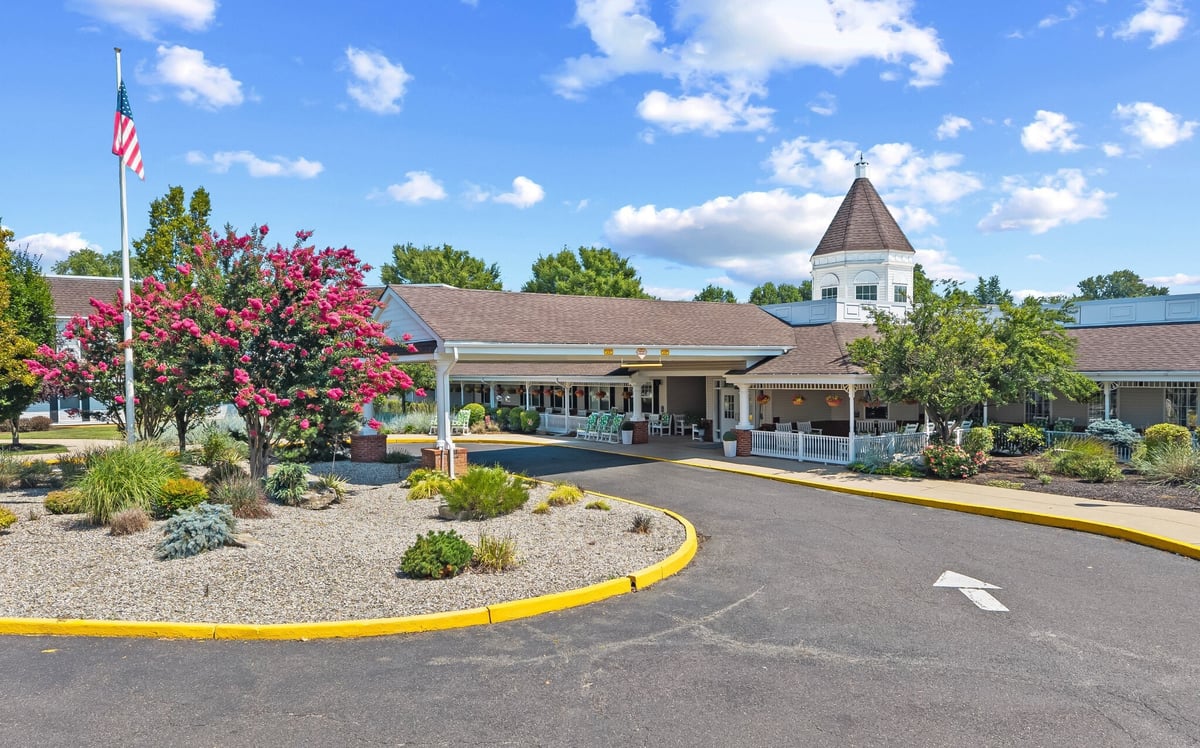
At Mattison Crossing in Freehold, NJ, we're close to CentraState Medical Center and downtown Freehold. Our community offers SHINE® Memory Care, a secure, engaging setting with a trained team that understands the needs of residents living with dementia. Memory care communities provide 24-hour support, structured programs, and purpose-built spaces that are hard to recreate in a family home. For many families, the move brings relief from caregiving stress and confidence that their loved one has the right support. If you’re unsure which level fits, you can compare living options.
Take the Next Step at Mattison Crossing
You don’t have to sort this out alone. Our team is happy to answer your questions about SHINE® Memory Care and what daily life looks like for residents. See it in person and schedule a tour today.